

Supplier of Vitamin K2 MK-7 and MK-4
Wholesale to manufacturers
Supplying raw materials and ingredients since 1993
Falcon Trading International is a USA based global supplier of wholesale Vitamin K2 MK-4 and MK-7 to manufacturers. Available in various strengths in oil or powder form, these products are in high demand due to their proven effectiveness in the areas of bone and heart health.
Contact us for general information, specifications or technical data. Service and support are our foremost priorities
Characteristics of Vitamin K2 MK-4 and MK-7
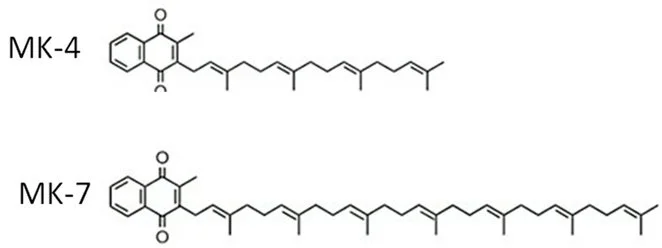
Both Vitamin MK-4 and MK-7 are fat soluble vitamins. Vitamin K2 MK-4 (menaquinone-4, or menatetrenone) has a molecular structure consisting of 4 repeating isoprene side chain units. MK-7 (menaquinone-7) has a side chain comprised of 7 units.
The longer molecule chain of MK-7 enables superior absorption and bioavailability. MK-7 remains in the body for days, whereas MK-4 is eliminated from the bloodstream within hours as it is rapidly distributed to organs and tissues such as bones, kidneys, pancreas and brain. Because of the shorter half-life of MK-4, it requires frequently repeated dosage. Some manufacturers use both forms in their products.
How Vitamin K2 functions in the body
Vitamin K2 plays an essential role in carboxylation of glutamic acid to γ-carboxy glutamic acid (Gla). This process allows coagulation of blood, critical binding of calcium to the bone matrix, and removal of calcium from soft tissues such as arteries
Vitamin K2 in the modern diet
The modern western diet is deficient in the Vitamin K that is needed for optimal bone and heart health. Vitamin K1 (phylloquinone) is present in common food sources, but it is far less efficient than Vitamin K2 in enabling the movement of calcium from arteries to bone mass.
Vitamin K2 and heart health
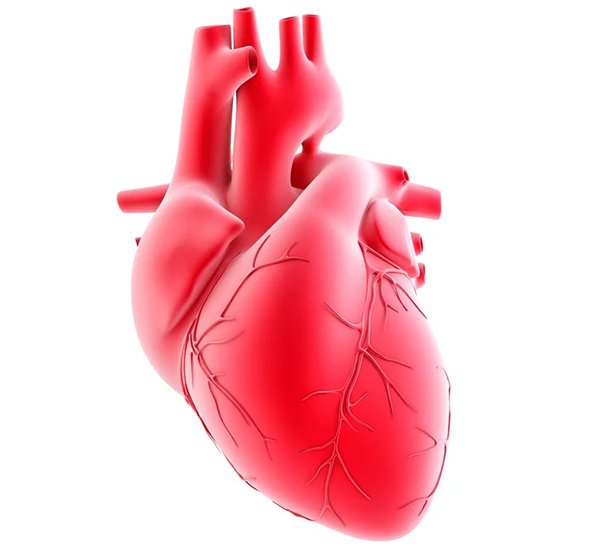
Vitamin K2 enables a mechanism which reduces arterial calcification. In the bloodstream, Matrix Gla Protein along with other Gla proteins in osteocalcin are dependent on activation by Vitamin K2. Once activated, these proteins bind to calcium to inhibit accumulation on the arterial walls. The result is improved vascular elasticity and improved blood flow leading to a reduction in risk of cardiovascular problems.
Vitamin K2 and bone health
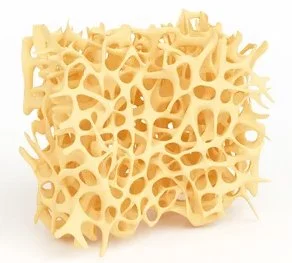
The human skeleton is a living mass of 206 bones. It regenerates every ten years in a perpetual process of building and rebuilding. Older bone material with microdamage is systematically replaced by new bone as biomineralization occurs. This repair of the bone matrix is made possible by carboxylation of bone gamma-carboxyglutamic acid (Gla) when it is activated by the presence of Vitamin K2.